
(July 10, 2024) Angeline Selvakumari in love warns against being diverted from God’s divine plan for our lives…
Greetings in the name of our Lord and Saviour, Jesus Christ, to all members of our Echo of His Call family worldwide who faithfully read our magazine printed in 16 different languages every month. Grace and peace be yours from our eternal God, who was, and is, and is to come (Revelation 1:4).
This verse provides me with great assurance in every circumstance, knowing that I have a God who understands my past, present, and future, and walks alongside me as a friend and companion. With this assurance, I can face the uncertainties of tomorrow with inner peace, confident in God’s plan and purpose for me — which was ordained even before the creation of the world (Ephesians 2:10).

Reflecting on how intricately God has designed each one of us, I realise that our existence is not accidental but part of a divine plan. Even if one might believe they were unwanted or unexpected by their earthly parents, God has carefully crafted each individual, as stated in Psalms 139:13, ‘You made all the delicate, inner parts of my body and knit me together in my mother’s womb.’
Therefore, it is our responsibility to seek out and fulfill the purpose for which we were created, with the guidance of the author and finisher of our faith.
- God graces us with divine calling and gifts not based on our merit, but on His character. Yet…
- It’s so easy to stray from this path, often imperceptibly, finding ourselves far from our intended course!
- Thankfully, the Holy Spirit is ever present to guide us back to the path of our loving Saviour.
Let us explore some of the common steps that can divert us from God’s divine purpose using the life of Saul, the first king of Israel as an example.
As it was with Saul, so it is with us today who have accepted Christ as our Saviour — It is not the beginning that is important, but the end!

When the people of Israel requested a king, rejecting the King of kings as their ruler, God granted their wish — Saul, the son of Kish, who possessed all the worldly qualities befitting a king. He was a wealthy and prominent man from the tribe of Benjamin, taller than anyone in the land, with his head and shoulders standing above the rest (1Samuel 9:2). He became Israel’s first king and was even anointed as such!
So, what led to this anointed, talented chosen person meeting a tragic end?
Misstep 1: Pride
Saul lacked confidence when God called him to kingship. He even expressed that ‘I am only from the tribe of Benjamin, the smallest tribe in Israel, and my family is the least significant of all the families in that tribe!’ (1Samuel 9:21). Despite being anointed, he had initially remained shy and tried to hide (1Samuel 10:22).
We must remember that God will not call us where His grace cannot sustain us! Despite Saul’s humble beginnings, God blessed him. God’s grace was enough for Saul to become Israel’s king. However… as he tasted success and achieved victory after victory, the ensuing fame and adulation blinded him.
In 1Samuel 15, we encounter a familiar passage where God commanded Saul to utterly destroy the Amalekites, sparing no one, including women and children. When viewed in the present day, it may seem brutal, painting God as cruel and vengeful. However… the Amalekites had tormented, attacked, and sought to annihilate the weary and vulnerable Israelites. The Bible warns that ‘He who touches you touches the apple of His eye’ (Zechariah 2:8).
God was displeased with how the Amalekites mistreated His people Israel whom He considered His cherished possession. It is important in these dark times to remember that we have a God who fights our battles on our behalf!

However, in the story of Saul, we see a different response. His shift in attitude from humility to pride is evident as he seeks recognition and even builds a monument to honour himself (1Samuel 15:12).
Then, when corrected by Samuel for his actions, he casually comments that he has sinned… but immediately demands ‘But please honour me before the elders of my people and before Israel; come back with me, so that I may worship the Lord your God (1Samuel 15:30).
- Saul’s transformation from being a humble man to one seeking honour and recognition illustrates the dangers of deceptive pride.
- Success and victory can often lead to changes in our mindset and attitude. One can seem to be religious but the heart has changed!
- The moment pride takes hold, God may withdraw His presence from our lives and even stand against us (See Isaiah 63:10’s warning about grieving Him).
- James 4:6 warns that God opposes the proud but shows favour to the humble.
It is a sobering reminder to reflect on our own words and actions. How often do we assert our ownership and knowledge with phrases like ‘my house,’ ‘my life,’ or ‘I know best’? Even if we outwardly profess humility, our true nature may reveal itself when our pride is challenged. The tendency to assert our importance with phrases like ‘Do you know who I am?’ or ‘How dare you speak to me this way?’ can surface unexpectedly.

This sad tale of Saul serves as a reminder to guard against the pitfalls of pride, especially in moments when our sense of self is threatened. Whether spoken by individuals or even echoed in the minds of those who profess faith, the refrain of ‘Do you know who I am?’ should serve as a warning against the insidious nature of pride.
Misstep 2: Self-deception
A person with self-deception is someone who:
1) Believes to be what indeed they are not.
2) Thinks they have more than they have.
3) Desires to appear as something they’re not, rather than desiring to be authentic.
And what does God say?
1) Pride leads to self-deception (Read Obadiah 1:3).
2) Don’t think too highly of yourself (Read Romans 11:20).
3) If you think you are something when you really are nothing, you are only deceiving yourself! (Read Galatians 6:3GNT).
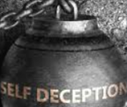
What happens when we fall into the trap of self-deception? Saul is our example! His pride blinded and deceived him, leading to self-deception and his—
(a) Unwillingness to fully obey God
For instance, God commanded Saul to wipe out the Amalekites, saying, ‘Now go and completely destroy.’ (1Samuel 15:2). Saul deceived himself by choosing to keep ‘all that was good’ (1Samuel 15:9). He took it on himself to judge what was worth keeping, thereby deceiving himself into thinking his actions were justified. Saul even claimed, ‘I have carried out the Lord’s command’ (1Samuel 15:13), despite deviating from God’s instructions.
Many times, like Saul, we too can deceive ourselves into believing that our actions align with God’s will when, in reality, they fall short. Only deeds done in accordance with God’s will are pleasing to Him, but self-deception clouds our judgment.
(b) Unwillingness to accept his fault
Pride and self-deception blinded Saul’s eyes, numbed his heart and deafened his ears, preventing him from hearing God’ voice. He blamed the people, saying, ‘The people (not me) spared the best of the sheep and oxen to sacrifice to the Lord’ (1Samuel 15:15)
Here Saul is trying to spiritualise his disobedience. This is why God emphasises that obedience is better than sacrifice. Self-deception leads us to blame others for our actions instead of taking responsibility.

(c) Unwillingness to humble himself
Saul was at the height of his pride. He built that monument to himself and now insists that Samuel should honour him, seeking too the honour of the people over God’s recognition. Instead of humbling himself before God and really seeking forgiveness, he desires to be exalted among his people.
As mentioned earlier, all our actions have consequences. Partial obedience is tantamount to complete disobedience. Saul grieved God through his actions, leading to God’s immediate rejection of him. He strayed from God’s will, losing his way… and both God and Samuel regretted making him a king.
Let us pray that none of us will lead a life like Saul’s, deviating from our life’s purpose.
Misstep 3: Rebellion
Saul’s pride led him to self-deception, causing him to assume a false identity and foster a rebellious and stubborn nature.

This misstep is often regarded as the black heart of rebellion! It is synonymous with disobedience and obstinacy, and it carries consequences. Proverbs 29:1 warns that a person who remains stubborn after many rebukes will face sudden and irremediable destruction. His destruction will come suddenly on him.
Saul, unaware that his rebellious nature would impact not only himself but also future generations, displayed a rebellious attitude by not waiting for Samuel and offering sacrifices, a duty reserved for the priest. On being rebuked, he remained stubborn, ultimately leading to the loss of his throne. Every act of disobedience and rebellion carries its consequences.
Rebellion entails refusing to submit to someone’s authority, emphasising the importance of being submissive to authority figures.
Within our families, we must show submission to our parents, spouses, elders, managers, church leaders, pastors, supervisors— and most importantly, to God!
Rebellion is a matter of the heart, not just behaviour; it signifies a need for a change within ourselves.
The Bible teaches us valuable lessons about rebelliousness:
- Rebellion is likened to witchcraft, something detested by God (1Samuel 15:23NKJV).
- God withdraws and fights against those with disobedient and rebellious natures (Isaiah 63:10).
- God’s hand will work against us (1Samuel 12:15).
- Failure to repent may lead God to hand us over to destruction (1Corinthians 5:5)
Stand firm!
Dear friends, if our hearts are hardened, resistant to change, devoid of warmth, we must seek God’s help to transform them. Scripture reminds us that only those ‘who stand firm to the end will be saved’ (Matthew 24:13).
Remember that having been born again, you have been anointed… with the Holy Spirit! Do stand firm!
While God’s call and gifts are irrevocable, we can hinder the Holy Spirit within us through actions like pride, self-deception, rebelliousness, and straying from God’s purpose, potentially leading to failure.
Let us guard against pride’s destructive influence and seek to recognise and correct our mistakes that may divert us from our purpose in life.
More than ever before it is crucial that we take time to reflect on our lives to ensure we stand firm aligned with God’s will. And in doing so, enjoy God’s wonderful plan for your life!

_______________________________________________

Pastor Angeline Selvakumari is Honourary Editor–in–Chief Echo of His Call, India’s Spiritual Newspaper, and Dr S Sam Selva Raj’s daughter. In furthering Echo of His Call ministries, established 1969, Dr Sam daily broadcasts 5–minute messages in Hindi, Tamil and English on YouTube, trusting the Lord to provide for the costs. Link: sam@echoofhiscall.org
______________________________________________
 Connecting with You!
Thank you for faithfulness in reminding us and even warning us in a gracious manner. I have to be honest and say I don’t like to admit that pride or some other selfish carnal attitude has the potential to creep into my life as a believer.